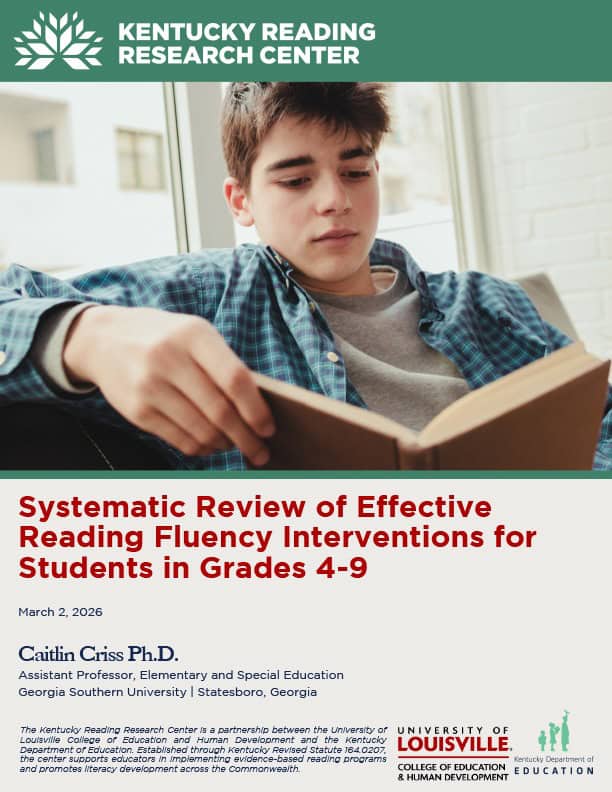
Why reading fluency matters
Reading fluency is how smoothly, accurately, and expressively a person reads.
When reading feels slow or choppy, it becomes harder for a student to understand and enjoy what they’re reading — especially as school texts get longer and more complex.
The good news? Fluency improves with practice — just like playing a sport or an instrument.
How you can help at home
Just 10–20 minutes a few times a week can make a big difference.
Here are simple activities that work:
| Strategy | What You Do | Why It Helps |
| Reread favorites | Have your child read the same short passage 2–3 times | Builds speed and confidence |
| Read together | Take turns reading or read in unison | Provides a model of smooth, expressive reading |
| Listen and follow along | Play an audiobook or read aloud while your child tracks the words | Supports accuracy and expression |
| Celebrate progress | Track words read correctly or time rereads | Motivates and shows growth |
Keep it positive
- Choose high-interest topics (sports, animals, pop culture, hobbies)
- Praise effort and improvement, not perfection “You were faster the second time!”
- Keep sessions short and enjoyable
- Stop before they feel frustrated
- Give a quick high-five after each read!
When your child struggles with a word
Use a simple prompt:
- Pause (3 to 5 seconds) — give them time to try before saying the word.
- Say the word — and have them reread the whole sentence.
Small corrections now help them read more smoothly next time.
What to expect
Fluency builds gradually — like fitness. Over time, you’ll notice:
- Fewer “sound-outs”
- More natural expression
- Better understanding of what they read
- More enjoyment in reading
If reading continues to feel very challenging, talk with your child’s teacher about extra support.
Key takeaway for families
Consistent, positive practice turns struggling readers into confident readers. Your encouragement can make a lasting difference.
The information provided in this summary is based on findings from Systematic View of Effective Reading Fluency Interventions for Students Grades 4-9.